Emergency Dentist Beverly Hills: Urgent Solutions for Every Age
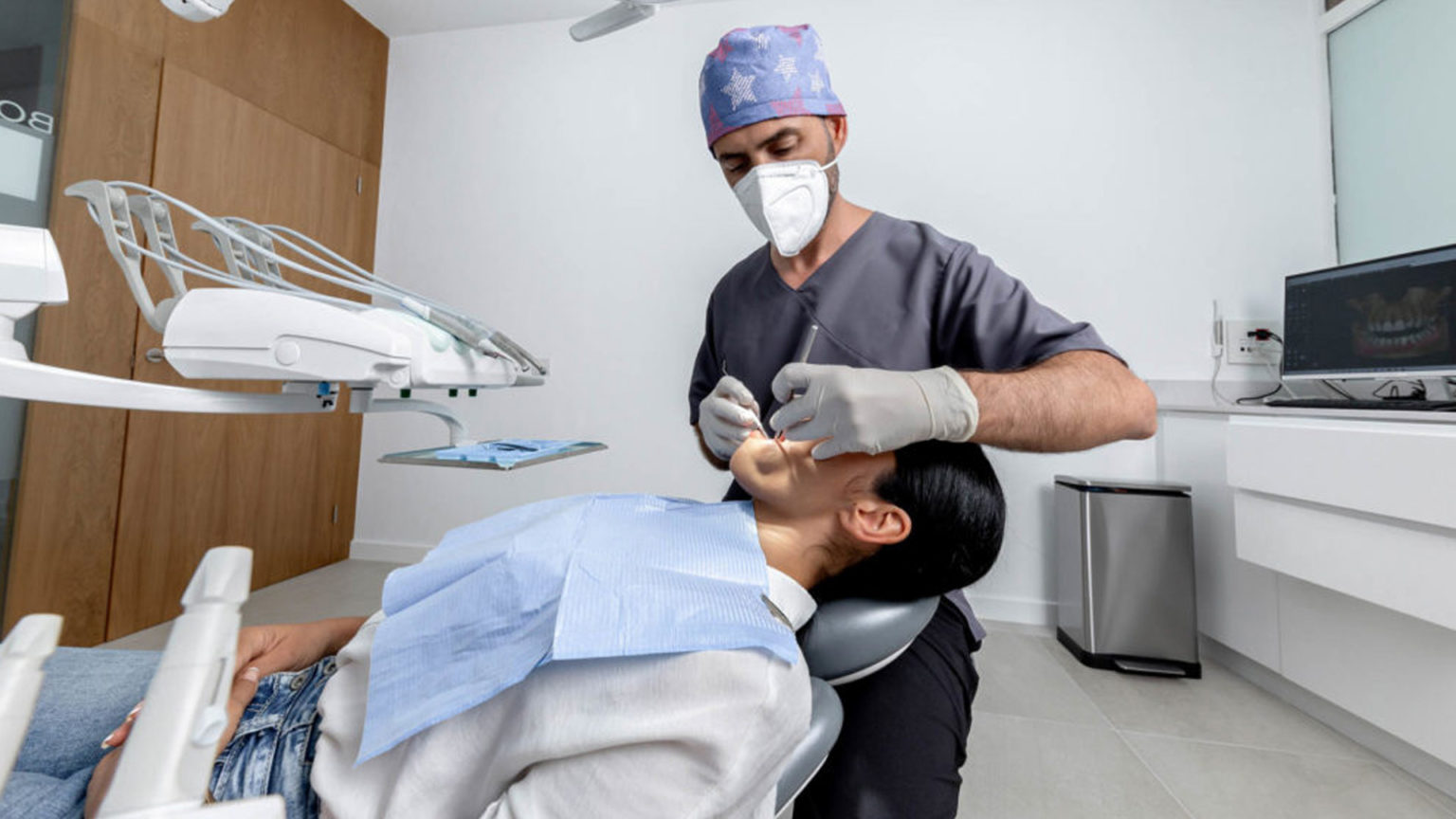
Dental emergencies have a way of interrupting ordinary life with almost theatrical timing. A child slips at a birthday party and chips a front tooth. A college student wakes at 2 a.m. With a throbbing molar that did not hurt the night before. A parent in the middle of a workday bites down on lunch and feels a crown come loose. An older adult wearing a partial denture develops a painful sore that turns eating into a chore. In each case, the situation feels immediate, personal, and stressful, even when the underlying problem is treatable.
That is the real value of an Emergency Dentist Beverly Hills patients can reach quickly. Fast access matters, but speed alone is not enough. Dental emergencies require judgment. Some cases need same-day treatment to stop infection or save a tooth. Others can be stabilized at home for a few hours without causing harm. The difference is not always obvious to someone in pain.
Over the years, one pattern shows up again and again in urgent dental care: the people who do best are rarely the ones who panic the least. They are the ones who get clear advice early, Emergency Dentist Beverly Hills avoid common mistakes, and understand what can and cannot wait. Age also changes the picture. A knocked-out baby tooth is handled differently from a knocked-out adult tooth. A teen athlete with dental trauma has different priorities than a retired patient with a cracked implant crown or medication-related dry mouth.
What counts as a dental emergency
Not every dental problem is an emergency, but many problems become emergencies when they are ignored. A little swelling can become a spreading infection. A hairline crack can deepen after one more meal. A lost filling may seem minor until exposed dentin starts sending pain signals with every sip of water.
Most true dental emergencies fall into a few broad categories. Severe pain that does not ease with basic measures deserves urgent attention. Swelling in the gums, jaw, or face can signal infection, especially if it is getting worse. Bleeding that does not stop after pressure is another red flag. Trauma, including broken, displaced, or knocked-out teeth, is often time-sensitive. Problems that interfere with breathing or swallowing are no longer routine dental issues and should be treated as medical emergencies immediately.
There is also a middle category that people often underestimate. A broken filling, loose crown, or fractured denture may not look dramatic, but it can create sharp edges, expose vulnerable tooth structure, and quickly affect eating or speech. In a city where schedules are packed and appearances matter professionally, these issues are not trivial. They affect comfort, confidence, and function, often all at once.
The first hour matters more than most people think
When a patient calls after trauma or sudden pain, the most important decisions are often made before they step into the office. The first hour is not just about getting an appointment. It is about avoiding the wrong home remedy.
People still place aspirin directly on the gums for toothache, which can chemically burn the tissue. Others rinse aggressively after an extraction site starts bleeding, which dislodges the clot and worsens the problem. Parents sometimes assume a knocked-out baby tooth should be pushed back into place, when that can injure the developing adult tooth beneath it. Adults with a knocked-out permanent tooth may scrub the root clean, damaging the delicate surface cells that improve the chances of successful reimplantation.
Here is a practical short checklist for the first response to common urgent situations:
- Control bleeding with clean gauze and steady pressure, rather than repeated checking.
- For a knocked-out adult tooth, hold it by the crown, not the root, and keep it moist in milk or saline if possible.
- Use a cold compress outside the face for swelling or trauma, in short intervals.
- Take over-the-counter pain relief only as directed, unless your physician has advised against it.
- Call an emergency dentist promptly if there is severe pain, swelling, trauma, fever, or a lost restoration causing significant discomfort.
That kind of early triage can preserve options. With a knocked-out permanent tooth, minutes matter. With an abscess, timely antibiotics may be part of treatment, but drainage or definitive dental care is usually what resolves the problem. With a broken crown, the right temporary step can prevent aspiration, soft tissue injury, or a deeper fracture.
Children need a different kind of emergency care
Pediatric dental emergencies can look chaotic even when the damage is limited. Blood in the mouth spreads quickly and alarms parents. Add crying, fear, and a weekend sports event, and small injuries can feel catastrophic. The challenge is to stay calm enough to distinguish what needs immediate care from what needs careful observation.
The most common urgent problems in young children include lip and tongue bites, chipped baby teeth, and falls that loosen front teeth. A baby tooth that is slightly mobile after a fall is often monitored rather than aggressively treated, depending on the child’s age and symptoms. If a baby tooth is pushed into the gum, displaced, or associated with persistent bleeding or trouble biting, it deserves prompt evaluation. Radiographs are often important, but the exam itself is just as valuable, especially when deciding whether treatment could interfere with the adult tooth underneath.
Pain is another issue. Children do not always describe dental pain clearly. They may stop chewing on one side, wake at night, tug at the cheek, or become unusually irritable. By the time a child says the tooth “hurts a lot,” the decay may already be near the nerve. In those situations, emergency treatment is not just about comfort. It can prevent facial swelling, missed school, and a much more complicated appointment later.
An experienced emergency dentist also watches for behavioral details. A frightened child may clamp down, hide symptoms, or refuse an ice pack until trust is established. That is why pediatric urgency is not simply smaller-scale adult dentistry. It calls for communication skills, pacing, and enough flexibility to solve the problem without turning the visit into a traumatic memory.
Teenagers and young adults, where accidents and neglect often meet
Adolescents and young adults tend to generate a distinct category of emergencies. Contact sports, skateboards, scooters, late-night study habits, orthodontic appliances, and inconsistent routines all play a role. This age group often alternates between feeling invincible and delaying care until pain forces action.
Sports injuries are especially common. A fractured front tooth may involve only enamel, or it may expose dentin or pulp. The cosmetic concern is obvious, but the biological concern can be bigger. When the nerve is exposed, the treatment window can influence whether the tooth remains vital. A teenager with a cracked incisor before prom or graduation may focus entirely on appearance, while the dentist has to balance esthetics, function, and long-term survival of the tooth.
Orthodontic emergencies also show up regularly. A poking wire can ulcerate the cheek in a day. A broken bracket is not always urgent, but it can become urgent when it causes trauma or interrupts treatment at a critical stage. Temporary wax often helps, though the underlying problem still needs attention.
This is also the age when wisdom teeth begin to cause trouble. Pericoronitis, which is inflammation around a partially erupted tooth, can progress quickly. What starts as soreness in the back of the mouth can become swelling, restricted opening, and foul taste within a short period. Patients sometimes assume it is “just a gum issue” and wait too long. If there is facial swelling, fever, or increasing pain with swallowing, they should be seen quickly.
Adults in working years often ignore warning signs until they cannot
Among adults balancing work, caregiving, travel, and tight calendars, the most common emergencies are often the ones that have been building quietly. A deep cavity that was tolerable for months suddenly reaches the nerve. A crown that felt slightly loose last week comes off during dinner. Grinding and clenching, especially under stress, turn small cracks into major fractures.
One of the most painful presentations is the so-called hot tooth, a tooth with severe inflammation of the pulp that reacts intensely to heat, cold, or pressure. Patients often describe the pain as radiating to the ear, temple, or opposite jaw. They may not be able to identify the exact tooth. Emergency care here is partly diagnostic. Not every toothache is caused by a cavity. Cracked teeth, sinus pressure, gum abscesses, and referred pain can mimic each other. Treating the wrong tooth solves nothing.
Busy adults also tend to self-manage too long. They use desensitizing toothpaste, chew on the other side, and avoid cold drinks, all while the underlying damage progresses. There is understandable logic to this. People do not want to interrupt a packed week for what might turn out to be a minor issue. The risk is that dental disease rarely stays still. By the time swelling appears, the treatment may have shifted from a simple restoration to a root canal, extraction, or more involved periodontal care.
For patients who have cosmetic dentistry, urgency can have a different flavor. A veneer that debonds before an important meeting or event is not necessarily medically severe, but it is still urgent in practical terms. The same is true for a visible fracture on a front tooth. Emergency dentists in Beverly Hills often see this intersection of clinical need and appearance-based urgency. The best care addresses both without minimizing either.
Older adults face a more complex emergency picture
Dental emergencies in older adults often carry more medical context. Medications, reduced salivary flow, gum recession, worn restorations, and chronic health conditions all influence what is safe and what is possible. A sharp toothache in an older patient may be straightforward decay, but it may also involve root caries, a fractured cusp under an old filling, or periodontal infection around a heavily restored tooth.
Dry mouth deserves more attention than it usually gets. Reduced saliva changes the mouth dramatically. Decay can progress faster, especially around the edges of crowns or near the roots. Tissues get irritated more easily. Dentures feel less stable. A patient can move from manageable discomfort to true urgency in a matter of days if a sore area turns ulcerated or infected.
There is also the issue of healing. Patients taking blood thinners, antiresorptive medications, immunosuppressive drugs, or multiple prescriptions need individualized planning. That does not mean they cannot be treated promptly. It means the emergency dentist must think a step ahead. A simple extraction decision may need a more careful risk discussion. Pain management may need adjustment if kidney disease, stomach ulcers, or medication interactions limit usual options.
Another detail that families sometimes miss is how subtly older adults may report pain. Some minimize symptoms because they do not want to be a burden. Others have cognitive changes that make the story harder to piece together. A sudden refusal to wear dentures, a change in eating habits, or touching one side of the face repeatedly can all be clues to a problem that deserves urgent evaluation.
When swelling changes the level of concern
Pain is miserable, but swelling is often the feature that changes urgency most dramatically. Mild, localized gum puffiness around a food trap is one thing. Swelling that spreads into the cheek, jawline, or under the eye is another. Swelling under the jaw or any swelling associated with fever, malaise, trouble swallowing, or difficulty opening the mouth can indicate a more serious infection.
Dental infections do not stay neatly inside teeth. They can move into surrounding tissue spaces, and once that happens the consequences become more significant. It is one reason emergency dentists ask questions that may seem unrelated to the tooth itself. Are you having trouble swallowing saliva? Is your voice different? Can you open normally? Have you had chills? These details help determine whether someone needs urgent in-office care, imaging, or a hospital-level evaluation.
People sometimes hope antibiotics alone will fix everything. They can help control bacterial spread in the right setting, but they usually do not remove the source. If the source is a dead nerve, deep decay, or a trapped abscess, definitive treatment matters. That may mean root canal therapy, drainage, extraction, or periodontal intervention, depending on the diagnosis.
Trauma cases, where technique and timing shape the outcome
Dental trauma is one of the clearest examples of why emergency care is not interchangeable. A fractured tooth is not just a broken piece of enamel. The location, depth, mobility, bite relationship, and condition of the nerve all matter. Two people can chip the same front tooth in photographs and need completely different treatment plans.
A patient with a small enamel edge fracture may need smoothing and a bonded repair. Another with the same visible chip may actually have a root fracture or pulp exposure that changes everything. Teeth that have been displaced, intruded, or avulsed need methodical assessment, often with follow-up over time. Trauma can damage the blood supply to a tooth even if the tooth looks acceptable on day one.
This is also where age again matters. A younger permanent tooth with an incompletely formed root can behave differently than a mature adult tooth. Sometimes the goal is to preserve vitality and continued development if possible. In adults, stabilization and long-term predictability often drive the decision-making more strongly.
A practical point that deserves repeating: if an adult permanent tooth is knocked out, gentle handling and rapid evaluation can make the difference between saving and losing it. I have seen cases with surprisingly good outcomes when the tooth was kept moist and the patient arrived promptly. I have also seen potentially salvageable teeth lost because they sat dry on a tissue during a long wait.
Restorations fail at inconvenient times, but not all failures are equal
Crowns, fillings, bridges, implants, and dentures do fail sometimes, usually when people are traveling, hosting family, or heading into an important event. The urgent question is whether the failure is mostly inconvenient, actively painful, or dangerous to surrounding tissue.
A lost filling can expose sensitive dentin and leave a rough trap for food. A loose crown may be harmless for a few hours or may signal decay or fracture underneath. A broken denture may be a function issue if the patient cannot eat, or a tissue injury issue if a jagged edge is rubbing the gums raw. Implant problems require careful distinction as well. A loose implant crown is not the same as a loose implant body, and the treatment path differs substantially.
Patients are often tempted to glue things back in themselves. That is understandable, especially with a front tooth or visible crown, but household adhesives do not belong in the mouth. Temporary dental cement from a pharmacy can occasionally help in select situations, but even then it is a stopgap, not a repair. If there is pain, bad taste, swelling, or mobility, a professional exam should not be delayed.
How emergency treatment is chosen in real life
People sometimes imagine emergency dentistry as one-size-fits-all, but the decision-making is more nuanced. The right urgent treatment depends on symptoms, diagnosis, available imaging, medical history, age, and what the patient ultimately wants to preserve.
These are common same-day directions an emergency visit may take:
- Pain relief and stabilization, such as smoothing a fracture, recementing a crown, or placing a temporary sedative filling.
- Infection control, which may involve drainage, cleaning around the source, and when indicated, medication.
- Definitive tooth-saving treatment, such as root canal therapy or splinting after trauma.
- Extraction when the tooth is not restorable or when infection, fracture, or prognosis makes removal the sounder option.
- Referral coordination for specialized follow-up, especially in complex trauma, pediatric, oral surgery, or periodontal cases.
Good emergency care is not about doing the biggest procedure in the shortest visit. It is about solving the immediate Emergency Dentist Beverly Hills dentalgroupbh.com problem while preserving the best next step. Sometimes that means full treatment right away. Sometimes it means getting the patient comfortable and safe, then scheduling definitive care once swelling is reduced or a specialist is involved.
What patients should expect from an emergency visit
The best urgent visits are focused. They start with a clear history, a targeted exam, and the right imaging when needed. Patients are often surprised that the first priority is not always treatment, but diagnosis. That is because dental pain can be deceptive. A dentist who rushes to “fix” the obvious tooth without confirming the source may create more problems than they solve.
Expect questions about timing, triggers, swelling, fever, medications, allergies, and prior dental work. Expect percussion, bite tests, thermal tests, and radiographs if appropriate. In trauma cases, photographs and baseline records are useful. In pediatric cases, behavior guidance may be part of the clinical skill set, not a side concern.
The final part of the visit should include a plain-language explanation of what is happening, what was done today, what might happen next, and what signs would justify a return call. That last piece matters. Patients handle discomfort better when they know what is normal and what is not.
The value of prevention, even in an emergency-focused conversation
Most emergencies are not random. Trauma aside, they tend to grow out of deferred maintenance, small untreated cracks, old margins, nighttime grinding, dry mouth, or periodontal disease that stayed quiet until it did not. That is not a moral failing. It is life. People get busy. Teeth often wait silently until they cannot.
Still, a few preventive habits reliably reduce the odds of needing urgent care. Wearing a properly fitted sports guard prevents more front tooth injuries than most families realize. Night guards reduce fracture risk in heavy grinders. Regular exams catch failing restorations before they fail publicly and painfully. Dry mouth management, fluoride strategies, and periodontal maintenance become especially important with age.
The point is not to promise a future without dental surprises. No honest clinician can do that. The point is to reduce the severity of the surprises and improve the odds that a problem stays manageable.
When patients search for an Emergency Dentist Beverly Hills, they are usually looking for immediate relief. Fair enough. Relief matters. But the strongest emergency care does more than stop pain for the day. It considers age, health, esthetics, timing, and long-term function. It treats the urgency without losing sight of the person attached to the tooth. That is what turns a stressful interruption into a problem with a plan.
Dental Group of Beverly Hills
8641 Wilshire Blvd #125, Beverly Hills, CA 90211, United States
Phone: +1 (310) 929-6335
FAQ About Emergency Dentist Beverly Hills
What is considered to be a dental emergency?
Severe tooth pain, a knocked-out permanent tooth, a significant tooth fracture, or suspected dental infection needs prompt professional assessment. Contact a dentist to describe the problem and arrange appropriate care. Trouble breathing or swallowing, uncontrolled bleeding, or major facial injury requires immediate emergency medical attention.
How to tell if tooth pain is serious?
Pain that is severe, persistent, or accompanied by fever, facial swelling, or a bad taste should be assessed promptly by a dentist. The cause cannot be confirmed from symptoms alone. If swelling affects breathing or swallowing, call 911 or go to an emergency department.
What do I do if I have a dental emergency and no dentist?
Call a nearby dental practice that accepts urgent patients and explain your symptoms, when they began, and any recent injury. Ask about the earliest available assessment and what information to bring. For life-threatening symptoms, seek emergency medical care immediately instead of waiting for a dental appointment.